
Four Generations of
Quality Poultry
day old chicks
Turkeys
Ducks
Meat Birds
Request a catalog
Wholesale portal
Watch a Tour of Our Hatchery!
Family Owned & Operated
Townline has been serving in Michigan as a hatchery since 1913. Our passion is to provide quality poultry to the community and across the US, while offering unmatched customer service. We provide day old chicks to anyone from families in the city, to large or hobby farms, to your very own local farm supply store.
BREEDER HENS
ESTIMATED CHICKENS HATCHED LAST YEAR
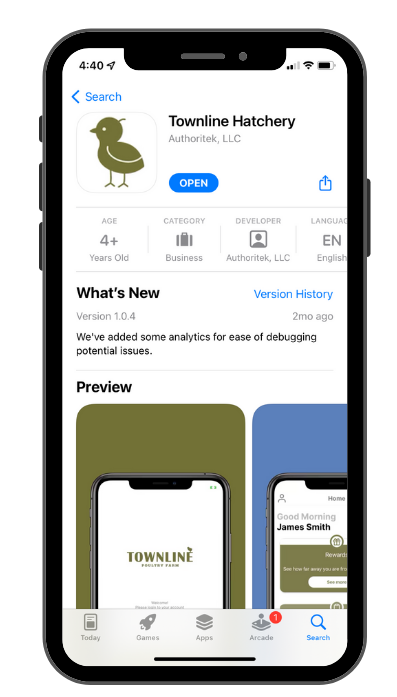
Download Our App and
Get 10% Off Your Next Order!
Available on iOS and Android. Stay up to date with our community, shop for baby chicks, and get access to special deals throughout the year!
download on ios
download on android
A Rich History of Dedication, Quality, and Commitment
Superb Quality
We maintain a high-quality control by hatching out of our own breeder flocks kept on site, every step is checked and double checked to ensure accuracy and quality
Hands On Approach
From the breeder chicken, hand gathering and traying the eggs, setting and checking the incubators, candling for fertility, pulling the chicks from the incubators, and packing orders to suit for weather and distance traveling.
Experienced Staff
Townline keeps a knowledgeable and helpful staff to assist you with every step of your poultry journey. We strive for a simple experience leaving you satisfied and confident!
Our Most Popular Baby Poultry Breeds
-
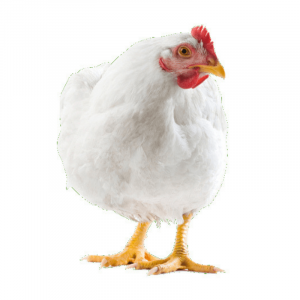
Jumbo Cornish Rock Cross
$4.87 – $5.11 -
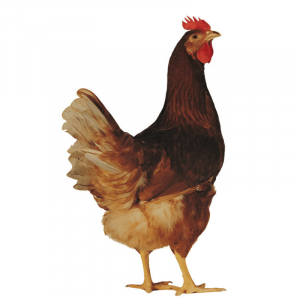
Isa Browns
$2.92 – $6.00 -

Special Services
-
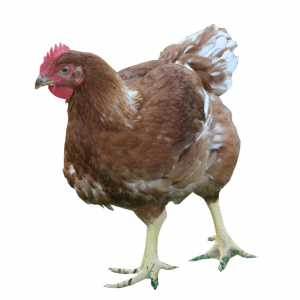
Freedom Ranger Broiler
$5.30 -
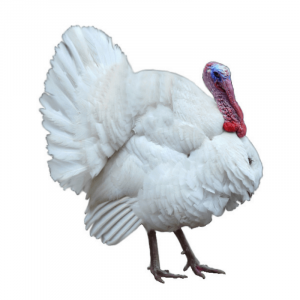
Broad Breasted White Turkey
$8.92 -
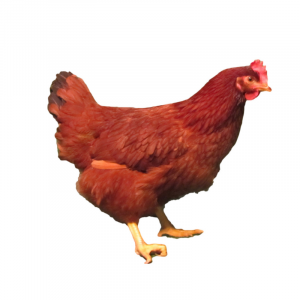
Rhode Island Red
$2.92 – $6.00 -
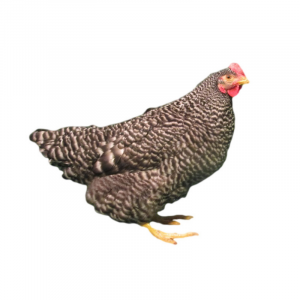
Barred Rock
$2.92 – $6.00 -
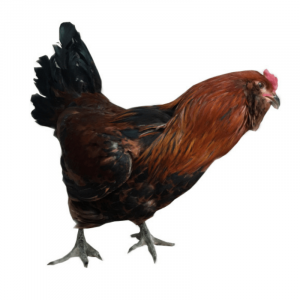
Americana
$2.92 – $6.35 -
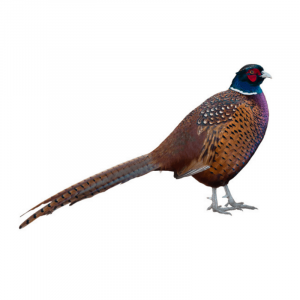
Pheasants
$4.00 -
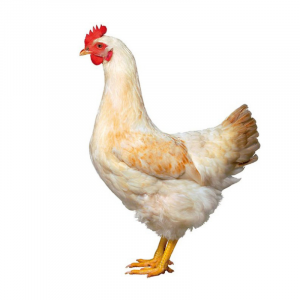
Amberlink
$2.92 – $6.00 -
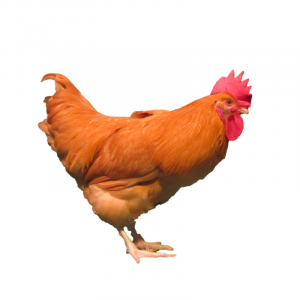
Buff Orpington
$2.92 – $6.35 -
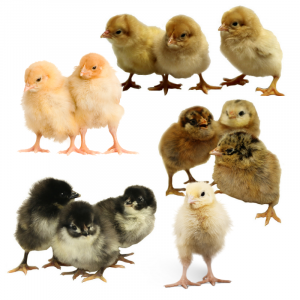
Hatchery Choice Assorted Chicks
$2.87 – $5.86 -
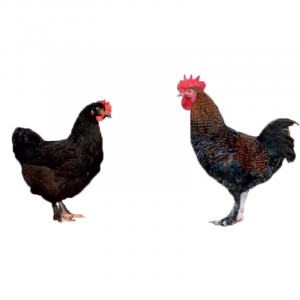
Mystic Marans
$3.81 – $6.71 -
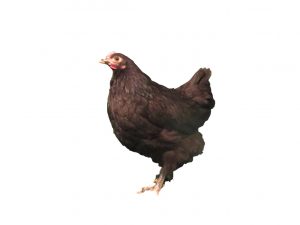
Black Australorp
$2.92 – $6.35 -
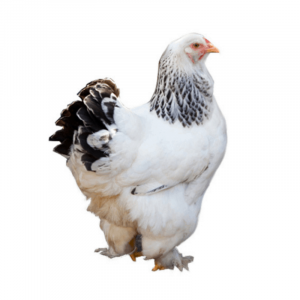
Light Brahma
$2.92 – $6.35 -
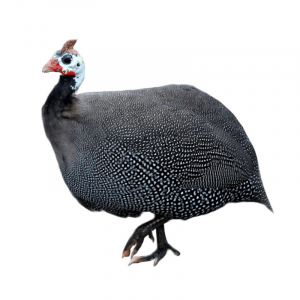
French Pearl Guinea
$6.58 -
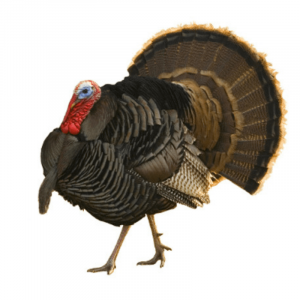
Orlopp Broad Breasted Bronze Turkey
$9.50 -
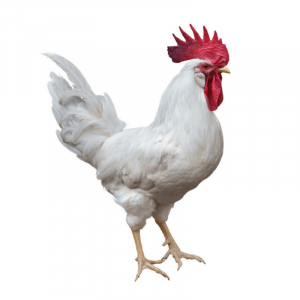
White Leghorn
$2.92 – $6.00 -
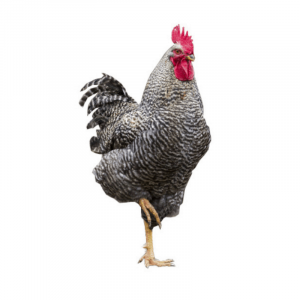
Black Sex Link
$2.92 – $6.00 -
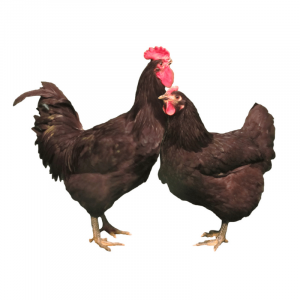
Black Jersey Giant
$2.92 – $6.35
Get started with your flock the Townline way.
Raising baby chicks can be a challenge, and finding a hatchery to work with can be scary. Will your chicks have a safe journey in shipping? Will the baby chicks arrive alive? Do you have the time and resources to raise a flock? We understand these concerns, and we are here to help.
Here is what you need to know:
How to get started with your baby chicks.
Check the “Basic Guidelines for Proper Poultry Care” page for how to get started.
Our shipping process.
Chicks are shipped through the United States Postal Service. They will be shipped priority mail or express mail depending on your location (check shipping chart here). The USPS is the only outlet for shipping chicks as they are the only ones who will accept live birds. They are shipped to your local post office and the office will contact you to pick them up once they have been received.
We give our chicks special attention for this long journey. Townline has specially partnered with USPS to pre-sort our chicks, which cuts back on deliver time by 12+ hours. We provide weathered boxes that allow chicks to travel safely through the Spring, Summer, Fall or Winter. Our chicks are given special hydrating gel cubes to keep them happy on their journey, and we even provide heat packs for colder days!
Can orders be picked up at the hatchery?
Unfortunately at this time we do not offer local pick-up due to bio-security laws. We will update you if this ever becomes an option in the future.
Should you get a rooster if you want chickens for eggs?
You do not need roosters for hens to lay eggs. However, if you want fertile eggs, 1 rooster per 6-10 hens is sufficient. Also, some prefer to have a rooster around as a “protector” of the flock.
Does Townline carry chicks older than 1 day?
Unfortunately, we are unable to carry anything older than 1 day old baby chicks at this time due to lack of coop space. Please give us a call and we may be able to direct you to a source for older birds.
What is Marek’s disease and do you need to get them vaccinated?
Marek’s disease is a liver disease that can affect and be fatal to poultry. We do offer vaccination against this as a special service. While it is a personal preference to get them vaccinated or not, it does protect them and gives them a good start.
When chickens start laying eggs.
This can vary by breed, however, most hens will begin to lay anywhere from 18-24 weeks of age. Environmental factors and feed choices can play a role as well.
What todo if my shipment arrives with losses?
Although not common, it is possible that a delivery delay with USPS or uncontrolled weather circumstances contributed to a loss in your shipment. Contact us within 48 hours and we will assist you on getting replacements!
watch our getting started with meat birds video series!
JOIN OUR “HOW TO RAISE CHICKENS” LEARNING CURRICULUM
News From The Coop!
Townline is proud to be involved with the Critter Barn located in Zeeland, Michigan. Critter Barn is dedicated to teaching about farming and agriculture while inspiring people of all ages, and all abilities, through the miracles in nature found at the farm. They are currently undergoing an expansion, and you can be apart of it!
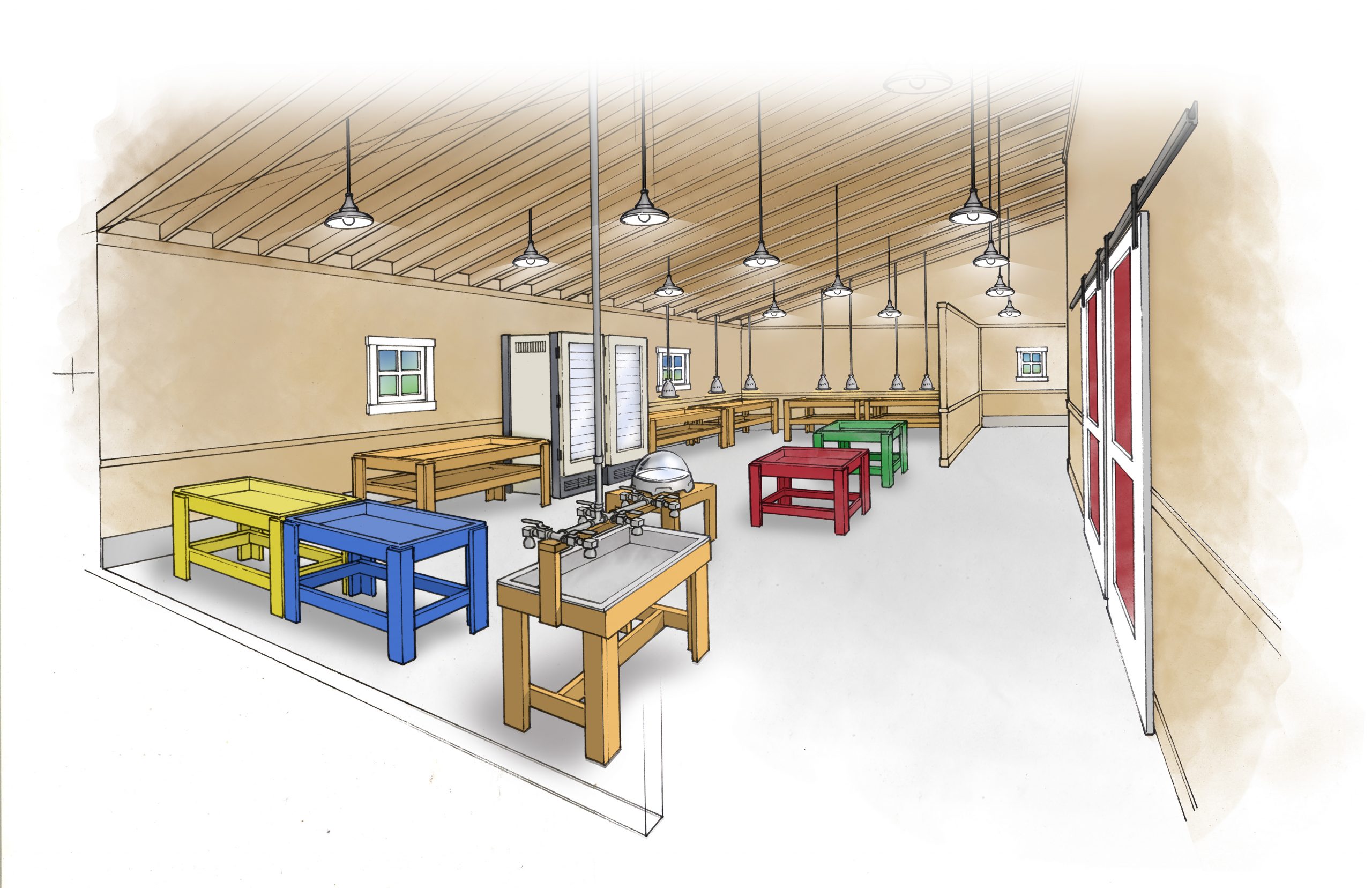
The CHICK Barn

What chickens lay the most eggs?
Have you ever wondered which chickens lay the most eggs? Well, then we’ve put together the perfect list of prolific egg-layers for you to choose from.

How to winterize your chicken coop
As winter approaches, you may wonder how to winterize your chicken coop. The good news is, chickens are hardy animals that can survive through harsh winters.
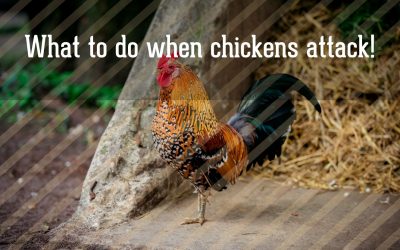
What to do when chickens attack!
You love your chickens, but every once in a while you’ll have a bad egg in the bunch. When chickens attack it can either be a natural behavior that can be corrected, or a personality problem that cannot.
Townline &
Our 2020-21 Year
2020 was the onset of a lot of change for many people and businesses. For us, our goal was to make sure that we had enough chicks hatching for our customers. Watch our featured video below on how we were able to change with the circumstances to continue providing quality poultry during this difficult time.
Your Guide to Raising Successful Meat Birds
Raising meat birds can be tough. Don’t go through the stress of winging it, watch our video series on how to get it right the first time! The most important tips to know when starting out are:
- Correct brooder temperature is key to their survival.
- Correct brooder set up is vital.
- Learn to recognize “signs” from your chicks relating to their health.
Established in 1913
That’s over 110 years!
We’re so glad you’re joining us this hatching season. We love raising poultry, and we hope you will too! When you order chicks from us, you’re part of a family tradition going back to 1913. Bill, John, and Kaylee are the 4th generation of Geerlings to carry on Townline’s vibrant legacy in Zeeland, Michigan. The eggs-pertise passed down over the generations helps us produce the best quality poultry with our “hands-on” approach. We raise our own breeding hens, grow our own feed corn, and care for our chicks using a mix of new technology and time-tested methods, all to ensure you end up with a healthy and thriving flock. From high-quality chicks to im-peck-able customer service, we are committed to exceeding your eggs-spectations this hatching season.
Jacob and Ada Geerlings with their prized white leghorn
Ordered 16 chicks. It went smoothly, as outlined by the hatchery on hatch week and shipping. All 16 arrived in good health and have been thriving from the minute we put them in their new home. Very pleased. Definitely would order from Townline again. Their bird selection, other options, and pricing on shipping are great. Chicks also seem to do better when you order them directly. We’ve done both in the past, direct order and buying them at the local store; with the latter we always seem to lose some but not with the direct order.
Our Community Partners